About TMC Rehab

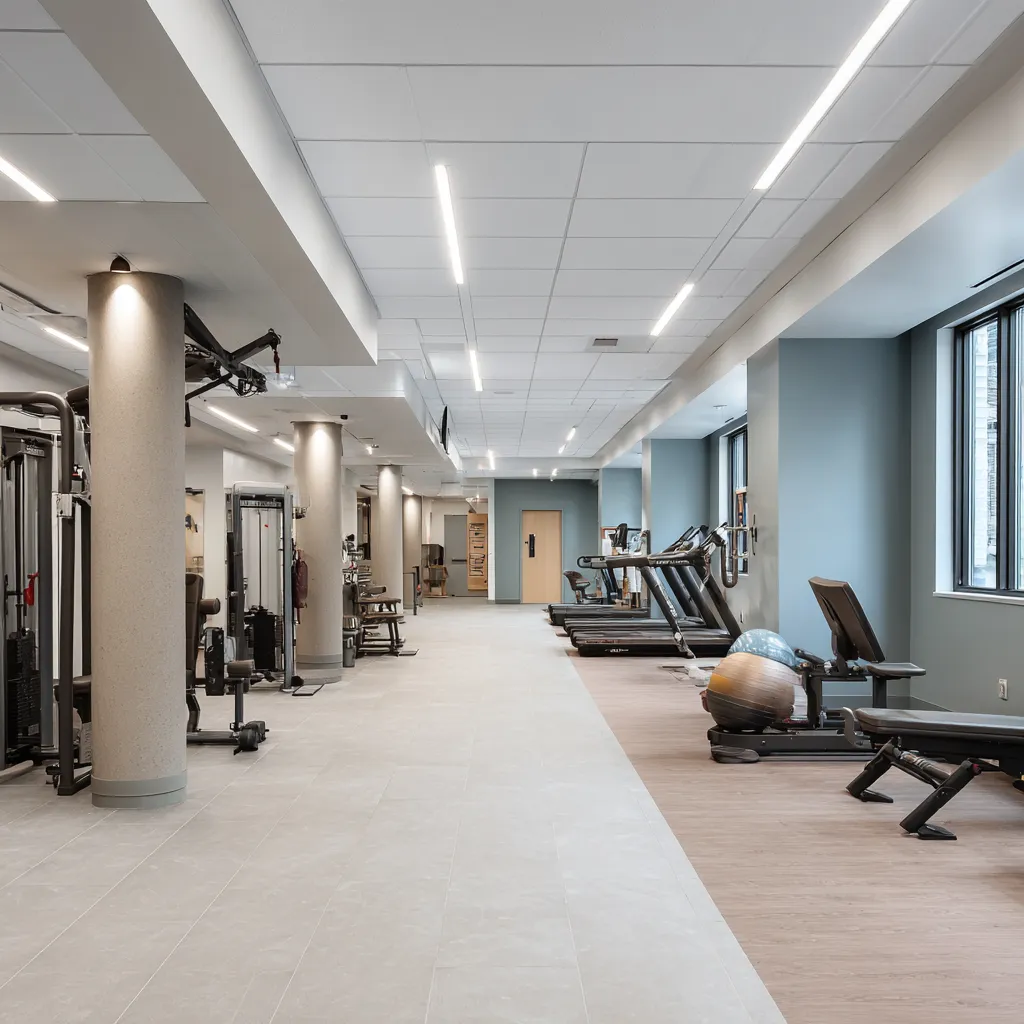
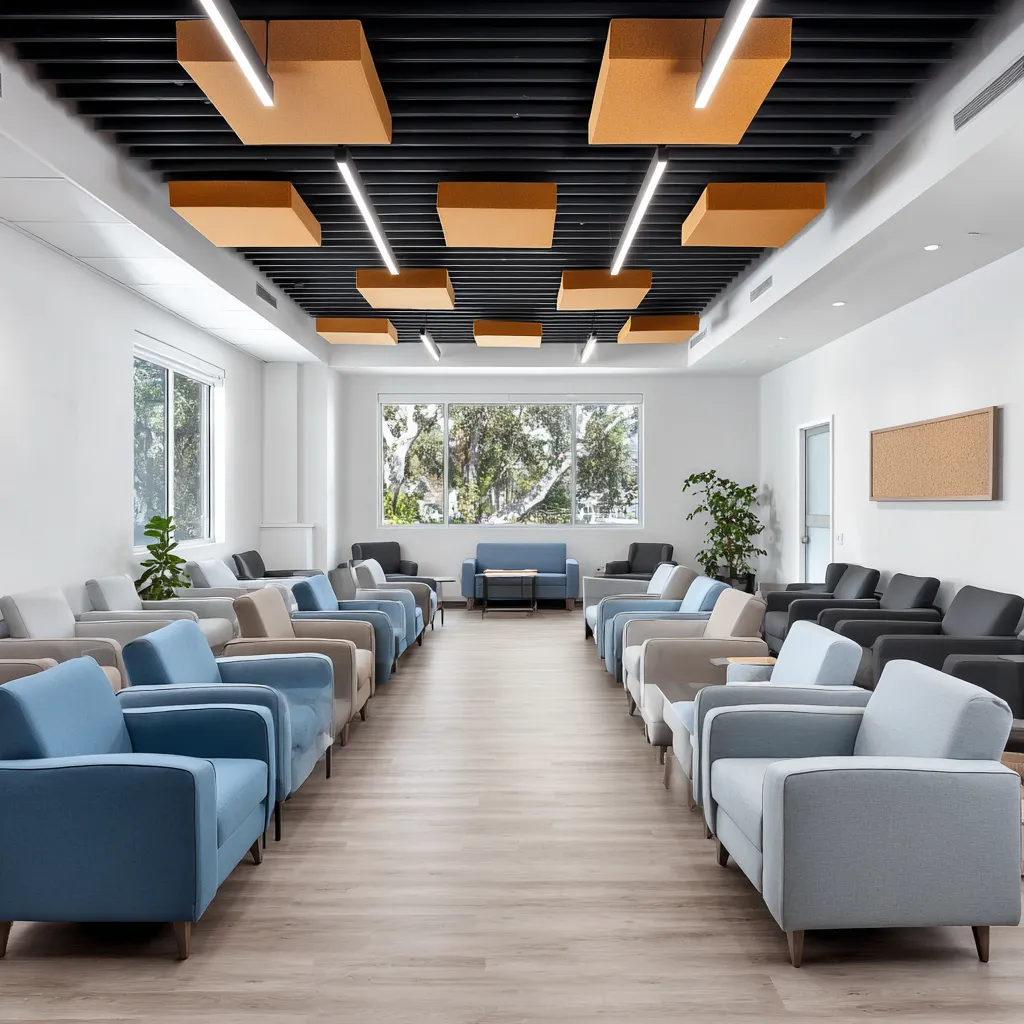
A treatment center grown from research, anchored on Greenleaf Avenue, designed to feel like a sanctuary inside the city.

TMC Rehab founding

Our Story

In the early 2000s, a research team at a Southern California university spent six years tracking long-term outcomes for patients in residential addiction treatment. The findings were uncomfortable: traditional 28-day models produced disappointing one-year outcomes, especially for patients with co-occurring trauma and for veterans returning from deployment.

The principal investigators wanted a place where the practices their data supported could be delivered every day — not just published. TMC Rehab opened on Greenleaf Avenue in 2008 with 16 beds, a small clinical team drawn from the original research cohort, and a commitment to keep treatment protocols updated against current outcomes.

Eighteen years and 7,200 patients later, the campus has grown to 40 beds and 76 staff. Researchers from the founding cohort still hold clinical roles. Quarterly outcomes review is built into how we operate — not an afterthought.

Our Mission

To prevent and treat addiction across Greater Los Angeles by combining the rigor of academic research with the everyday compassion of a clinical team that knows its community. We invest in upstream prevention work — school partnerships in Whittier, first-responder peer training, free family education nights — alongside the residential and outpatient care that brings people through our doors.

Treatment Philosophy

Cultural humility. Greater LA is one of the most culturally and linguistically diverse regions in the country. Our clinicians are trained to ask, not assume — about language, faith, family structure, and the meaning of recovery in each patient's specific cultural context.

Vocational rehabilitation. Long-term recovery requires income, identity, and routine. Our discharge planning includes resume work, employer introductions in Whittier and East LA, and trade-school referrals for patients changing careers.

Motivational enhancement. Lasting change comes from internal commitment, not external pressure. Our clinicians are trained in Motivational Interviewing and use it across every level of care to draw out and strengthen the patient's own reasons for change.

Our Team

Dr. Lillian Chao-Vargas, MD, PhD

Co-Founder & Medical Director

Board-certified in addiction medicine. Principal investigator on the original university outcomes research that became TMC. Holds an academic appointment at her alma mater and supervises our quarterly outcomes review.

Dr. Roman Petersen, PsyD

Director of Veterans & First Responders Programming

Combat veteran (Marine Corps, two deployments). Designs and supervises trauma-focused care for service members, police, fire, and EMT patients. Trained in EMDR, Trauma-Focused CBT, and Cognitive Processing Therapy.

Bianca Ngozi-Reyes, LCSW

Director of Clinical Services

Bilingual licensed clinical social worker overseeing all individual, group, and family therapy. Twenty years of practice across LA County. Trains the clinical staff on cultural humility and motivational interviewing.

Dr. Maxwell Tate, MD

Psychiatrist, Dual Diagnosis Lead

Manages psychiatric medication for all dual diagnosis patients. Specializes in PTSD, depression, and bipolar disorder co-occurring with substance use.

Yusra Saheed, RN

Director of Nursing & Detox

Leads the 24/7 nursing team in our detox unit. Twelve years of acute-care nursing in greater LA before joining TMC. Bilingual; trains every nursing hire personally.

Henrik Solberg, CADC-II

Vocational Rehabilitation & Alumni Coordinator

Coordinates employer partnerships, resume coaching, alumni weekly meetings, and the post-discharge check-in cadence. Personally in long-term recovery; TMC alumnus from 2013.


What Our Alumni Say

"The veterans track here is the real thing. Dr. Petersen ran combat ops himself — he doesn't translate; he understands. That's the difference."

— Marcus T., veteran-finding-peace arc

"I came in still wearing my badge. They didn't ask me to set it down. They asked me to learn to carry it without the chemicals. I'm still working — and finally sleeping."

— Inez R., first-responder-recovery arc

"What TMC gave my family was a method, not a miracle. Weekly work. Slow proof. My kids trust me again because we did it together."

— Daniel P., family-rebuilder arc

Begin Your Journey to Recovery

Our compassionate team is ready to help you take the first step.